I Love Okra!
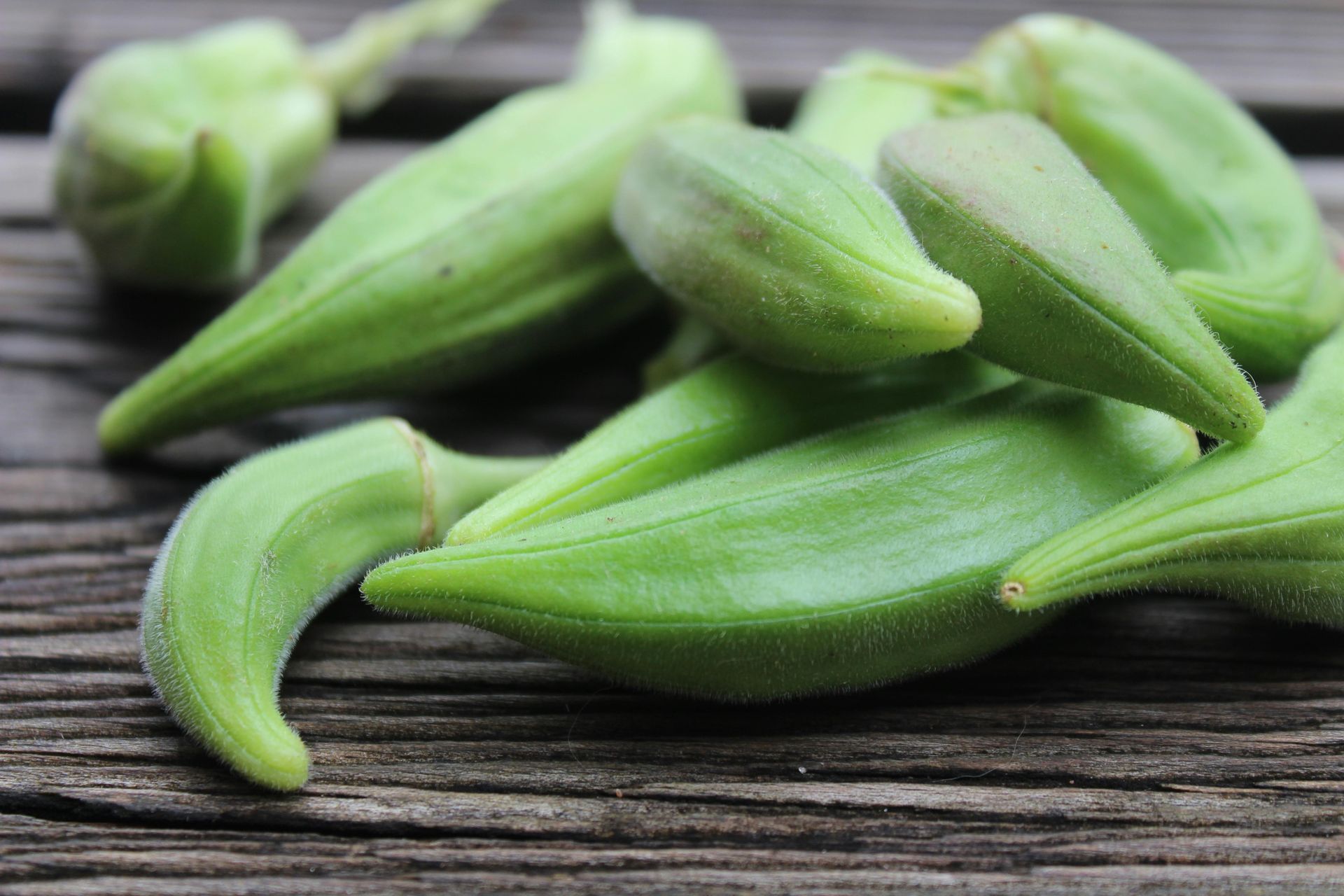
The slime factor is not an issue for me. I LOVE okra. I will show you a roasted okra recipe that I eat all the time. I have a tofu sauce that I will make to make it fancy, However, I eat roasted okra like French fries dipping into vegan aioli. YUM!
7 Nutrition and Health Benefits of Okra
Okra is a flowering plant known for its edible seed pods. It’s cultivated in warm and tropical climates, such as those in Africa and South Asia. Sometimes referred to as “lady’s finger,” okra comes in two colors — red and green. Both varieties taste the same, and the red one turns green when cooked.
Biologically classified as a fruit, okra is generally utilized like a vegetable in cooking.
It is frequently used in Southern American cuisine and a popular addition to gumbo. Yet, it can have a slimy texture, which some people find unappealing. Though it is not one of the most common foods, okra is packed with nutrition.
Here are 7 nutrition and health benefits of okra.
1. Rich in nutrients
Okra is an excellent source of vitamins C and K1. Okra is low in calories and carbs and contains some protein and fiber. Many fruits and vegetables lack protein, which makes okra somewhat unique.
2. Contains beneficial antioxidants
Okra is rich in antioxidants that may reduce your risk of serious diseases, prevent inflammation, and contribute to overall health. Most notably, it contains polyphenols that may contribute to heart and brain health.
3. May lower heart disease risk
Okra contains a thick gel-like substance called mucilage, which can bind to cholesterol during digestion, causing it to be excreted with stools rather than absorbed into your body. It is also rich in polyphenols, which fight harmful inflammation and protect your heart
4. May have anticancer properties
Okra contains a protein called lectin, which is being studied for its role in cancer prevention and treatment.
5. May lower blood sugar
Maintaining healthy blood sugar levels is very important for your overall health. Research indicates that eating okra or okra extract may help decrease blood sugar levels.
Please note, okra may interfere with metformin, a common diabetes medication. Therefore, eating okra is not recommended for those taking this drug
6. Beneficial for pregnant women
Okra is a good source of folate, with 1 cup (100 grams) providing 15% of a woman’s daily needs for this nutrient. Eating okra may help pregnant women meet their daily folate needs. Folate is important for preventing neural tube defects.
7. Easy to add to your diet
Though okra may not be a staple in your kitchen, it is quite easy to cook.
When purchasing okra, look for smooth and tender green pods without brown spots or dried ends. Store them in the fridge for up to four days before cooking.
Usually, okra is used in soups and stews like gumbo. It contains mucilage, a thick substance that becomes gummy when heated. To avoid slimy okra, follow these simple cooking techniques:
- Cook okra at high heat.
- Avoid crowding your pan or skillet, as this will reduce the heat and cause sliminess.
- Pickling okra may reduce the slime factor.
- Cooking it in an acid-like tomato sauce reduces the gumminess.
- Simply slice or leave whole and roast okra in your oven.
- Grill it until slightly charred.
For clarification, we never want to imply that an alternative treatment can take the place of conventional medicine.