
What is Ghee? A staple of Indian cuisine, this specially prepared fat is traditionally made by slowly simmering butter until the water evaporates and the milk solids gently brown. The butter clarification process yields a richly flavored butter oil with nutty and toffee flavors. From a cooking perspective, ghee provides a lovely flavor to recipes. By removing the water and milk solids from the butter, the smoke point increases significantly. This means that instead of the butter solids burning under high heat at around 350°F, only the butterfat remains and can be heated to 485°F before breaking down. The high smoke point makes it an excellent cooking fat for sautéing, frying, baking, and roasting foods without breaking down or producing harmful compounds. Benefits of Ghee Lactose-Free: Ghee is clarified butter, meaning the milk solids and water have been removed. This makes it suitable for individuals who are lactose intolerant or sensitive to dairy. Rich in Nutrients: Ghee contains fat-soluble vitamins A, D, E, and K, which are essential for various bodily functions, including immune support, bone health, and vision. Healthy Fats: Ghee is composed primarily of saturated and monounsaturated fats, which can provide a stable source of energy and support heart health when consumed in moderation. Anti-Inflammatory Properties: Ghee contains butyrate, a short-chain fatty acid that has anti-inflammatory properties and supports gut health. Digestive Health: Ghee is believed to promote digestive health by stimulating the secretion of stomach acids and aiding in the absorption of nutrients. Rich in Butyric Acid which is important for health. Some of your gut flora converts fiber and starch to short chain fatty acids (such as this one). Butyric acid has been shown to be a key player in maintaining a healthy intestinal lining due to its anti-inflammatory effects. It is also a food source for colonocytes (cells in your colon lining), that work to enhance the function and integrity of your colon. Butyric acid also shows promise in conditions such as: Crohn’s, Ulcerative Colitis, Colon Cancer. Rich in CLA – which is a cancer fighting fatty acid that is also useful for losing weight May be beneficial in helping you lose weight – combined with a healthy diet and lifestyle Detoxifies deep body tissues and improves skin health Helps regulate blood sugar Tri-doshic – Balancing to all 3 constitutions and their combinations (Vata, Pitta, Kapha) Additional Benefits of Brown Butter Ghee Enhanced Flavor: Brown butter ghee is made by cooking ghee until the milk solids turn golden brown, resulting in a nutty, rich flavor that enhances various dishes. Nutrient-Rich: Like regular ghee, brown butter ghee retains the beneficial fat-soluble vitamins while also containing the additional nutrients from the browned milk solids, including antioxidants. Antioxidant Properties: The browning process produces compounds like melanoidins, which have antioxidant properties that can help combat oxidative stress in the body. Versatile Culinary Use: Brown butter ghee can be used in both sweet and savory dishes, making it a versatile ingredient for cooking and baking. Promotes Satiety: The healthy fats in brown butter ghee can promote feelings of fullness and satisfaction, which can aid in appetite control.
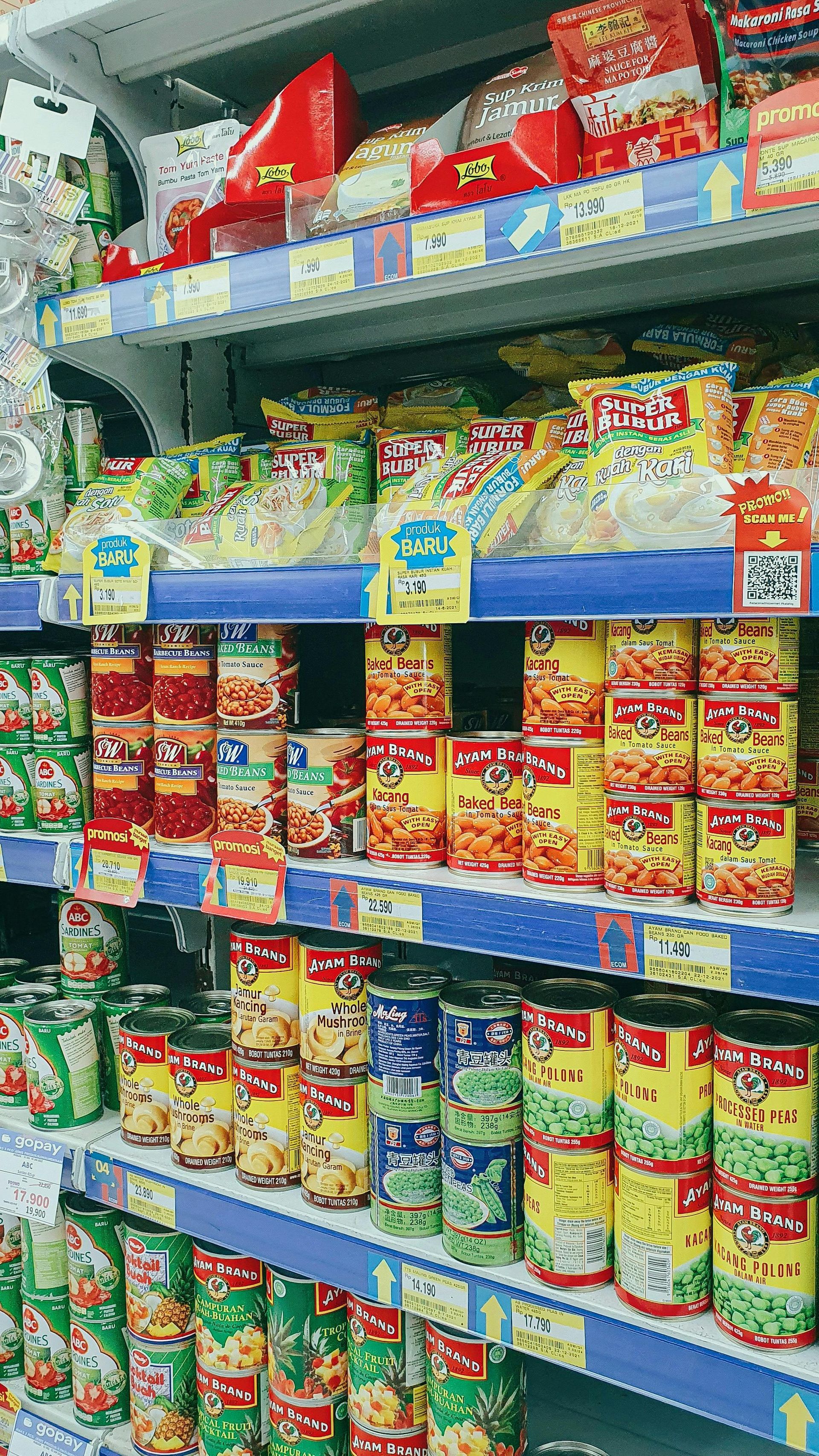
Canned foods can absolutely be part of a nourishing, supportive diet. The key is knowing how to read the label so you can make choices that align with your body’s needs especially when energy is limited and convenience matters. We’ll look at: • Sodium and how to reduce it • Ingredient lists and hidden sugars • Packaging considerations • How to combine fresh and canned foods for balance I’ll also begin introducing a new series I’m creating focused on nutrition labels, where we’ll compare common products and learn how to evaluate them confidently. For example, we’ll explore cereal boxes and calculate carbohydrate-to-protein balance to better support stable blood sugar. Understanding how much protein is needed to balance glucose can make a meaningful difference in energy and recovery. My goal is to give you tools that feel simple, practical, and empowering while not overwhelming. I look forward to sharing the table with you.

Something truly special is happening
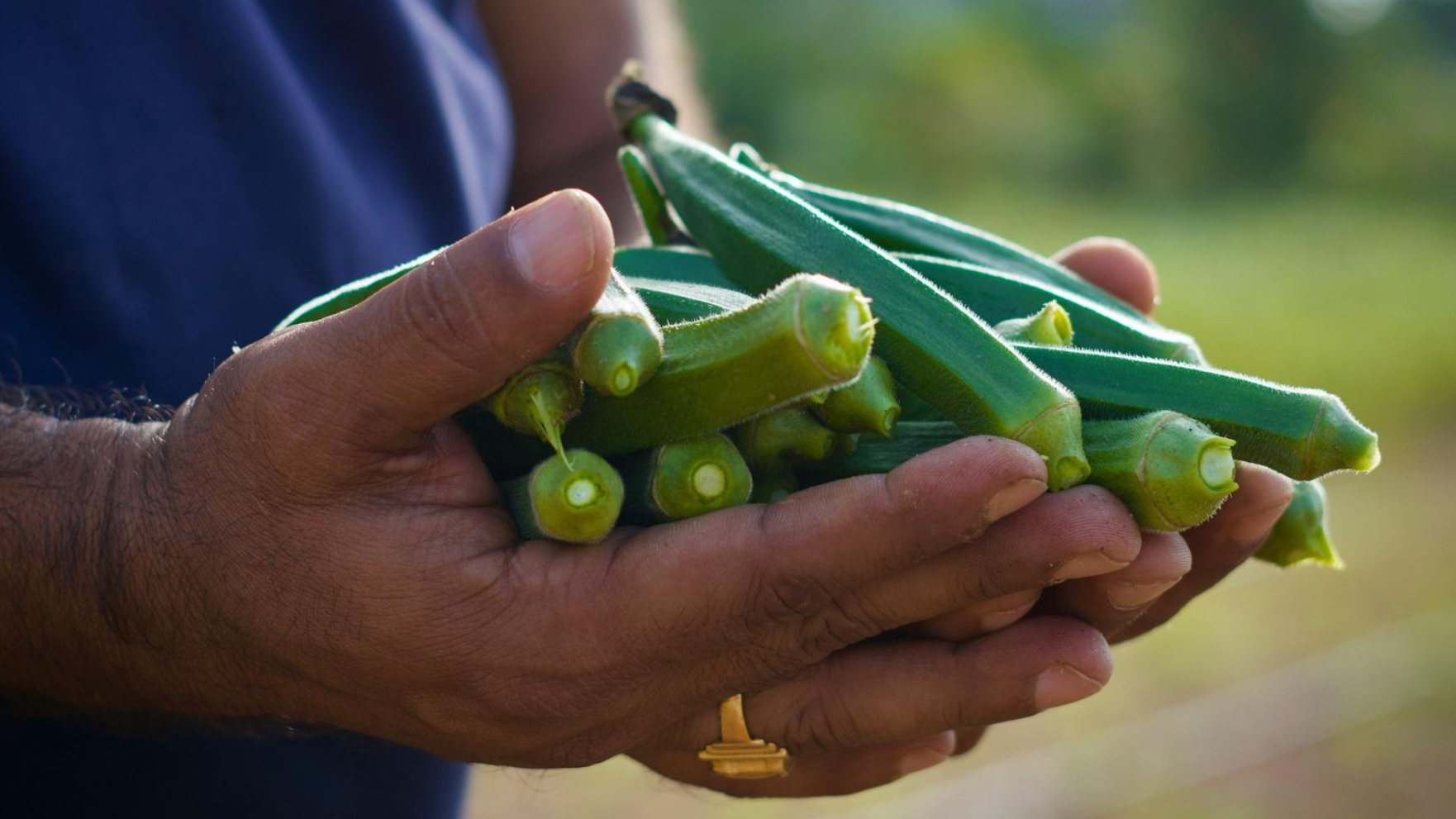
Kids are back at school, after summer work routines have returned, and Okra is plentiful at the market. Welcome to an Okra Love-Fest! I recently found myself with an abundance of okra, the kind of surprise that makes me smile! I love Okra. I didn’t as a young child, yet I LOVE IT now! I roasted a tray right away (Okra Fries) and ate it for lunch, then made okra and tomatoes for dinner. YUM! As I was buying this big box at the Farmer’s Market (hint, hint), people kept asking me the same question: How do you deal with the sliminess?’ That’s exactly what we’re diving into today. Do you Love It or Hate It? Is it actually good for you? That ‘slime’ is mucilage, a gentle, gut-loving soluble fiber. With a few simple techniques (vinegar soak, high heat, acid, and not crowding the pan), it can be tamed. Today, I will demo three dishes that showcase different textures: roasted, saucy okra and tomatoes and crunchy quick-pickled okra. Are you Team Love or Team “HMMM”? Which texture do you prefer: crispy, saucy, or crunchy? My intention is to convert a few okra skeptics to try it again and make okra downright craveable for others. Roasted Okra is a guaranteed okra win. High heat and dry okra results in crisp edges and zero slime. I’ll show you the quick vinegar soak, dry the pods, then oil, salt, garlic, and the magic happens at 425°F. It’s snackable, great hot from the pan, and you can dress it up with lemon zest, smoked paprika, or even a sprinkle of cumin and serve with your favorite dipping sauce. Perfect as a side or eat the whole tray like I did. Okra and Tomatoes A Southern/Creole comfort classic. Tomatoes naturally bring acid, which helps tame mucilage while giving a rich sauce. I roasted the tomatoes with aromatics, sautéed onion, garlic, bell pepper, and added the tomatoes, okra and spices. For many this is soul-warming and versatile. Can be served over rice, quinoa, or as a side. Quick Pickled Okra (Fridge Pickles) For those who like crunch and a bit of zing, a quick-pickled okra is bright, fresh, and keeps that snappy bite in the fridge. A simple brine poured over jars packed with okra, garlic, mustard seeds, and a hint of chili. Pickled okra is a gut-friendly condiment to serve on a charcuterie board, veggie plates, salads, and sandwiches. Let it sit 48 hours and try not to eat the whole jar. Okra is generous, affordable, abundant, and nourishing. With these techniques, tips and recipes, you can make it your own: crispy, saucy, and crunchy. I hope to make a few new okra fans today!
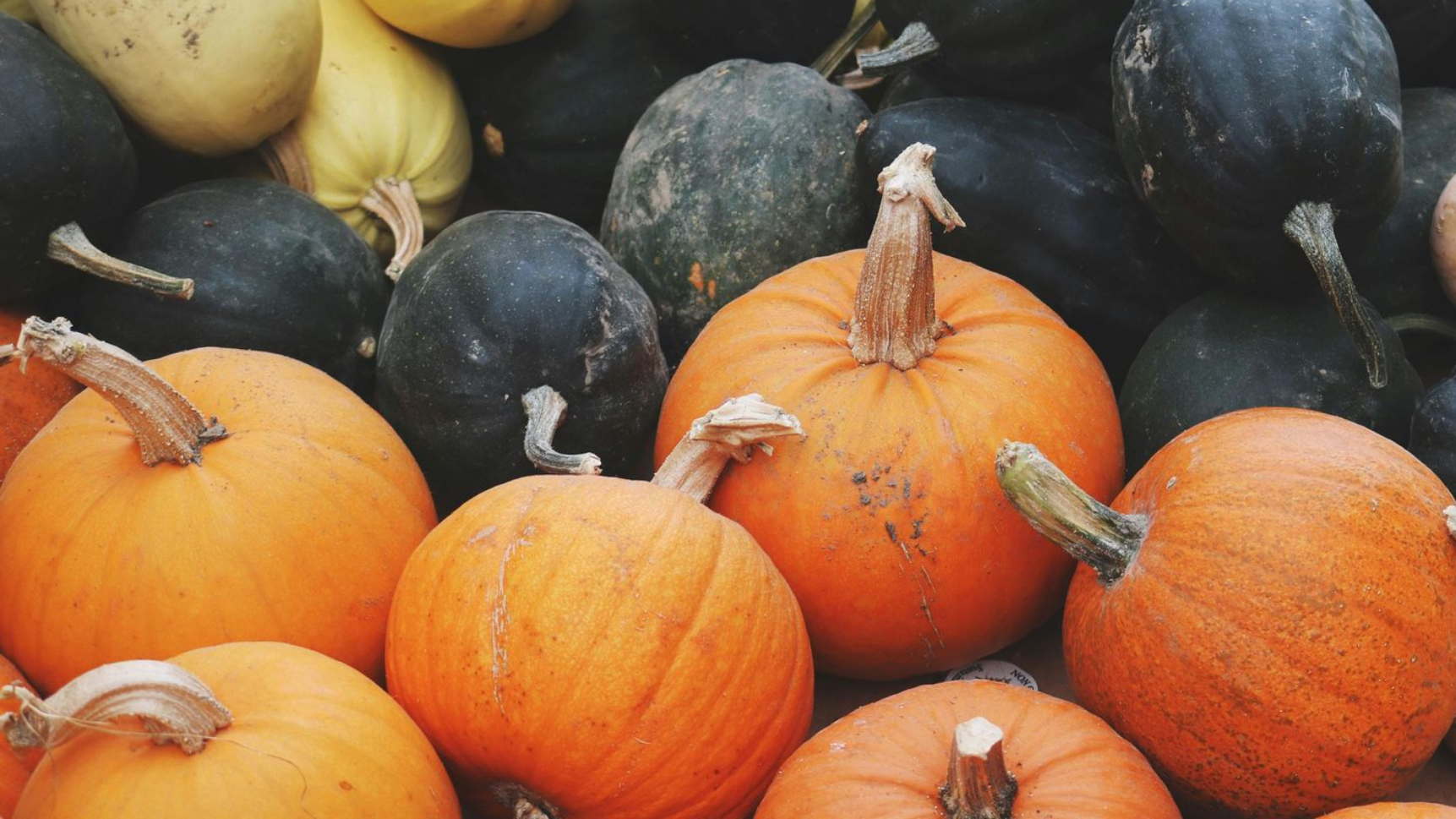
It is that time of the year again! Chef Chandra’s Savory Spice blend, Homemade Pumpkin Puree, Pumpkin Butter, and Pumpkin Latte. Pumpkin I am as big a fan of the orange vegetable as anyone else – and there is something so lovely about what it represents. We have a very short period to embrace and celebrate it. As you may have guessed from their bright orange color, pumpkins are rich in Vitamin A – one serving contains more than 200% of your recommended daily intake. Vitamin A is important for both skin and eye health and is best consumed with fat (such as chia seeds) to be absorbed properly. They are also richer in potassium than even bananas, and their fiber will keep you full well into lunch, while helping cleanse your intestinal tract. Beta-carotene, an antioxidant that pumpkins contain in abundance, has been found to reduce bodily inflammation, and protect against heart disease, lung cancer and skin cancer. I wanted something that embraced pumpkin’s glory without sending me into a sugar coma, something I could feel not only festive but good about putting in my body, something that was healthy enough to eat for breakfast or dessert. Thus, Pumpkin Chia Pudding! Pumpkin Chia Pudding This tastes almost exactly like pumpkin pie filling. The chia seeds expand and give it that dense, custard-y texture, and the pumpkin and spices give that wonderful, delicious fall feeling. It is naturally gluten free, vegan, and refined sugar free (dates as a sweetener), and the pumpkin, when you take it out of the sugary shell that it is wrapped in, is quite good for you. Dates Dates are used as the sweetener for this recipe, and they are one of my favorite choices. Unlike syrups and crystallized sugars, dates are still the whole food in their original form. Because they retain all their fiber, the sugars release more slowly into your system, so they do not spike your blood sugar like other sweeteners. They are also packed with minerals like potassium and magnesium, and their antioxidant quantity helps suppress bodily inflammation. Enjoy! For clarification, we never want to imply that an alternative treatment can take the place of conventional medicine.
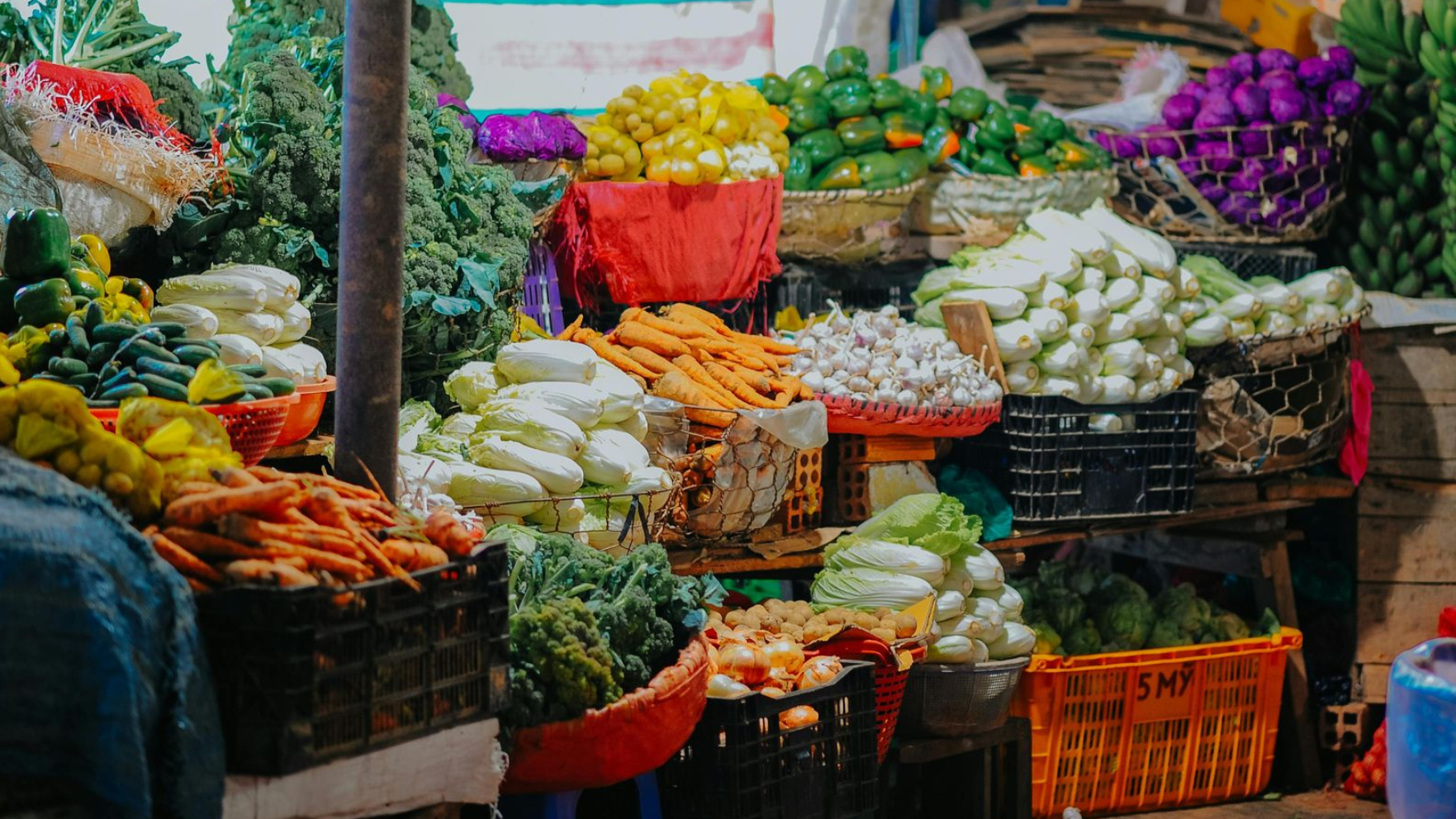
Constipation resulting from dryness is common in the fall as temperatures start to drop. Fall constipation increases your anxiety levels and puts extra stress on your body, mainly because the stool starts to rot in the gut. By watching for signs of constipation and taking precautionary steps to nurture your body in the fall, you will feel heartier and healthier all winter long and strengthen your immune system as well. How often should you poop? Ayurveda suggests that one bowel movement in the early morning followed by a possible second bowel movement later in the day is appropriate. Your stool should be the shape and texture of a ripe banana, easy to pass, formed, and somewhat bulky. Less than one bowel movement a day, or if the quantity is very small count as constipation. The importance of healthy elimination in Ayurveda is summarized by the phrase "You are as healthy as your colon." Poor bowel health results in fermentation of fecal matter, which irritates and ultimately degrades the lining of the intestines. Fermentation also creates toxins that are absorbed into the blood. Daily evacuation of stool prevents a cascade of potential health problems. Warning Signs of Constipation In early fall you may start to notice that your stools getting harder, darker, or smaller. You may notice more gas as well. Along with dry stools, chances are that dryness appears in multiple places in your body at the same time. Your mouth, the inside of your nose, and your skin all may begin to feel dry. Your eyes may become dry and itchy. Pay attention to these signs of dryness, so that you can nurture your body. These are important warning signs of constipation. Why is the Fall Dry? There are several factors that contribute to early fall dryness. The combination of sweating on hot afternoons and peeing more on cold nights cause your fluid levels to drop, making you feel generally deficient. Cold air is drier too than warm summer air which increases the number of fluids lost through evaporation in the lungs and surface of your skin. Enjoy Easy Bowel Movements by Adding Oils, Salt, and Demulcents Encourage your body to have easy bowel movements by increasing oils and healthy fats like ghee into your daily diet. Oils lubricate the dried-out lining of your colon, making it easier to stay regular. Adding more mineral salt to your diet can also help you stay regular in the fall. Demulcent foods like oatmeal and bananas that are high in soluble fiber are also beneficial in the fall, bulking up the stool and nourishing your body's mucous membranes to ensure easy elimination. Augment your diet with these specially chosen ingredients below which may be useful for 'Constipation'. Individual results vary depending on the cause of your imbalance and by constitution. Please research the ingredients below to find which are most helpful for you and check with your doctor before making any changes to your health and wellness routine. Vegetables Aloe Vera Gel Avocado Rhubarb Fruits Apple (cooked) Apricot (dried and fresh) Banana Cherry Dates (dried mand/or soaked) Figs Grape Lime Mango Orange Peaches Plum Prunes (dried) Tamarind Roots Beets Carrot How does Carrot affect this symptom? Cassava Root / Yuca Sweet Potato Beans-Legumes Black Beans Chickpea (Garbanzo) Lima Beans Mung Bean Sweet Peas Nuts-Seeds Chia Seeds Flax Seed Hemp Seed Ferments Coffee Greens Dandelion Leaves Oils Ghee Sweeteners Honey Molasses Spices Mustard Seed Scallions (Raw) Grains Oats / Oatmeal For clarification, we never want to imply that an alternative treatment can take the place of conventional medicine.
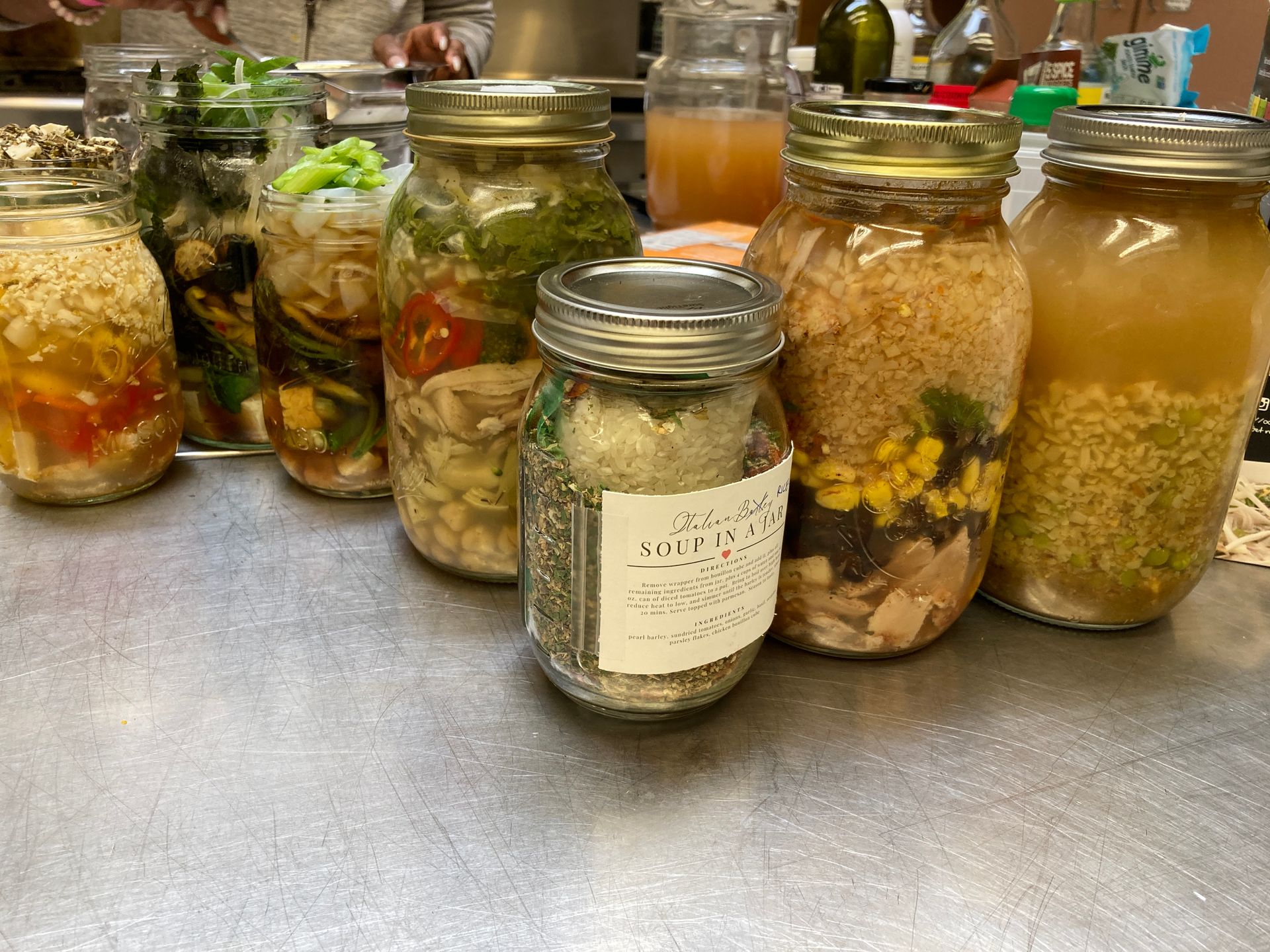
Soups are often chock full of nutrient-dense vegetables and proteins that are slow cooked so that these ingredients retain their nutritious value, delivering a meal in a bowl that is easy to digest, appealing in texture and yet packs great flavors. It Helps Keep You Warm When the temperatures outside change, nothing will warm you up like a bowl of soup. Unlike hot caffeinated beverages that leave you dehydrated, soup nourishes you from within and helps increase core body temperature. A bowl of your favorite soup will warm you from inside out on a cold, chilly night, keeping you toasty warm. It Can Help Lose Weight Research has found that people who regularly drink soup have lower dietary energy density and better diet quality. The high water and fiber content from vegetables added to soup keep you satiated in a healthy and hydrating way. Have a bowl of soup in the evening, and you will be unlikely to over-eat too many calories. It Keeps You Satiated Do not underestimate a good old bowl of soup. It makes for a hearty meal by itself to provide high satiety with fewer calories than most other regular meals. Soup will keep you full for longer, keep your tummy happy and keep your blood sugar levels stable. It is Good for Digestion Unless you go for a soup laden with heavy cream, most recipes include fibrous vegetables, beans, lentils, and lean protein that all ensure a healthy digestion. Eating a fiber-rich diet aids in smooth digestion and increases insulin sensitivity. It is Power Packed with Nutrients For those of you who find it hard to eat 7-8 servings of vegetables a day, making a pot of soup to reheat and eat throughout the week is the solution. You can add a variety of vegetables to your soup, and it is also a good way to incorporate any leftovers and create a whole new dish. Plus, it is easy to add a variety of veggies into soups in a non-intrusive way, getting the pickiest of eaters to consume them. The Vitamins and Minerals Stay Intact The slow cooking method used for soup ensures that it retains the vitamins and minerals of cooked vegetables since you also consume the broth. Whether you are making a soup with lentils, beans or protein coupled with vegetables, you get a full array of nutrients in that delicious broth. Also, some nutrients like beta carotene from carrots and lycopene from tomatoes are better absorbed by the body when food is cooked rather than when eaten raw. It Is Naturally Healing There is a reason the doctor tells you to have a warm bowl of soup when you are fighting the flu. Studies have found that hot soup is superior to other hot or cold liquids in the management of fluids in upper respiratory tract infections. The nutrition-filled broth boosts immunity with essential vitamins and minerals and rehydrates your body. Also, it is easy to digest which makes it perfect for when you have a sore throat or poor appetite. Plus, if you have a nasty cold, the hot vapors warm you up and helps in clearing nasal passages. Besides these benefits of soups, soups are so versatile. You can play around with ratios and measurements to create a warming, delicious bowl of goodness with any ingredients at hand, and use a variety of herbs and spices to try new flavors. If you keep a close eye on added salt, a bowl of soup will ALWAYS be a healthy option. Making soup is also inexpensive since you can use whatever you have lying around in the house. What is better — soups are so easy to freeze and reheat. Make a large pot over the weekend, store in airtight containers and freeze. You can reheat each portion of soup every weeknight or lunch next day and it will only taste better each time! For clarification, we never want to imply that an alternative treatment can take the place of conventional medicine.
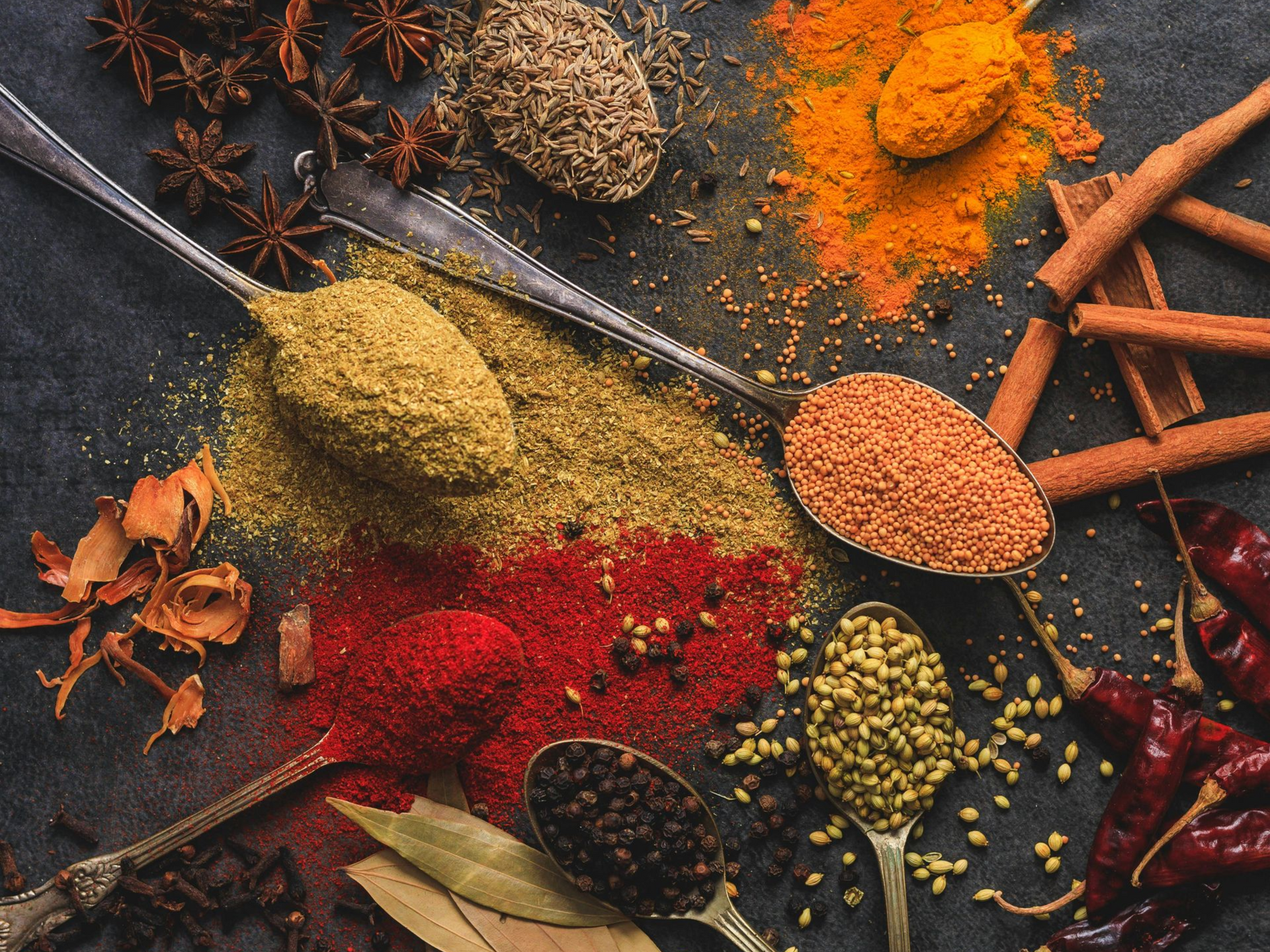
Although, we are still in the midst of hot summer nights, fall is approaching quickly. I like to start each season with the spice mix and salts for that season. We will make Fall Ayurvedic Spice Mix and Salts and use them in recipes today. A shake of the Fall Spice Mix in your cooking will create a balancing effect, aiding the digestion in shifting from hot to cool weather. Balance the cool, dry, light qualities of the season by choosing warm, moist, well-spiced (not necessarily hot and spicy) dishes. The Fall Spice Mix encourages strong digestive fire and stimulates and soothes the digestive organs. When you are not in the mood for Indian flavors, the Fall Salts will bring stimulating, fresh tastes from the herb garden to your cooking. A dry fall day deserves a bit more salt, while a wet one needs less. Fall Digestive Tea Licorice root, an herb, counteracts the dry quality of fall with its demulcent quality – an ability to aid the body in holding water in the intestines. This herb, called yashtimadhu, in Sanskrit, is widely used to lubricate the intestines, much like slippery elm and marshmallow root. Fennel reduces leftover summer activity, while cinnamon and ginger warm the gut. Vegan Sloppy Joes Hearty, flavorful Vegan Sloppy Joes made with fresh, simple ingredients, naturally sweetened, and they require just 30 minutes! Savory, smoky, perfectly sweet — a delicious plant-based meal! Broccolini Slaw with Golden Raisins and Walnuts What I love about this slaw recipe is that cooking the broccolini isn’t necessary and the entire broccoli is used: leaves, stems and florets! It comes together with ease, with a quick chop of the florets and leaves and using the grater blade of a food processor to break down the stems. It also holds up well in the refrigerator! Enjoy! For clarification, we never want to imply that an alternative treatment can take the place of conventional medicine.

Late summer brings with it a certain stillness, the first sign of winter sleepiness. Since humans are a warm-blooded species, your body spends lots of energy defending itself against changes in temperature. It can take several months for your body to shift gears from the warm season to the cold season. The biannual shift in temperature is one reason why September is a difficult month of the year to stay healthy. In late summer, people with deficiency fluids or fats get sick. Craving Sweets & Carbs The shift in cravings is a sign that your body is preparing for the cold temperatures ahead. The body will use the carbohydrates to build an insulating layer of fat in the skin. However, as the body pulls fats from circulation, the blood dries out. Late Summer Dryness After a summer of sweating under the hot sun bodily fluids are at a minimum. Drier blood tends to create dehydration. The skin will feel parched and the bowels dry and constipated. Electrolyte imbalance, dry blood and constipation tends to make the mind anxious. Insomnia may ensue. Late summer is a critical time to replenish electrolytes and calm your mind well in advance of colder temperatures. Avoid drying, astringent or constipated foods. Instead, drink water with lime and salt in the morning to combat dryness. Tired, Crampy Muscles Heat pushes blood to the surface of the skin, and into the arms and legs. As soon as the temperature starts to drop, the volume of blood in your arms and legs drops too, making your muscles feel tired. Electrolyte imbalance may cause some cramping in the first few weeks of August. Dry Rashes Rashes in late summer tend to be dry and scaly. Daily oil massages will keep your skin and complexion smooth and supple for the transition to Autumn. For clarification, we never want to imply that an alternative treatment can take the place of conventional medicine.
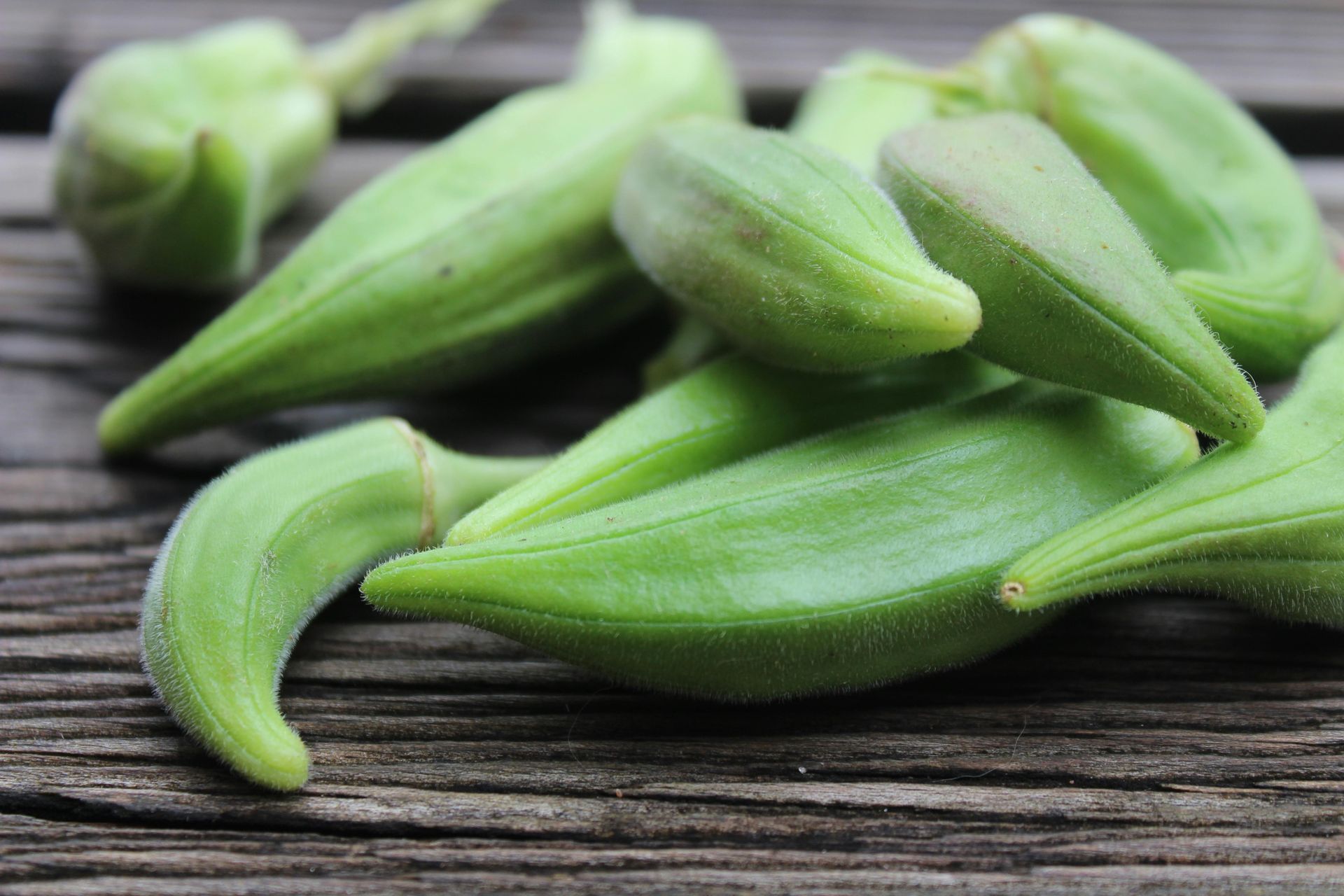
The slime factor is not an issue for me. I LOVE okra. I will show you a roasted okra recipe that I eat all the time. I have a tofu sauce that I will make to make it fancy, However, I eat roasted okra like French fries dipping into vegan aioli. YUM! 7 Nutrition and Health Benefits of Okra Okra is a flowering plant known for its edible seed pods. It’s cultivated in warm and tropical climates, such as those in Africa and South Asia. Sometimes referred to as “lady’s finger,” okra comes in two colors — red and green. Both varieties taste the same, and the red one turns green when cooked. Biologically classified as a fruit, okra is generally utilized like a vegetable in cooking. It is frequently used in Southern American cuisine and a popular addition to gumbo. Yet, it can have a slimy texture, which some people find unappealing. Though it is not one of the most common foods, okra is packed with nutrition. Here are 7 nutrition and health benefits of okra. 1. Rich in nutrients Okra is an excellent source of vitamins C and K1. Okra is low in calories and carbs and contains some protein and fiber. Many fruits and vegetables lack protein, which makes okra somewhat unique. 2. Contains beneficial antioxidants Okra is rich in antioxidants that may reduce your risk of serious diseases, prevent inflammation, and contribute to overall health. Most notably, it contains polyphenols that may contribute to heart and brain health. 3. May lower heart disease risk Okra contains a thick gel-like substance called mucilage, which can bind to cholesterol during digestion, causing it to be excreted with stools rather than absorbed into your body. It is also rich in polyphenols, which fight harmful inflammation and protect your heart 4. May have anticancer properties Okra contains a protein called lectin, which is being studied for its role in cancer prevention and treatment. 5. May lower blood sugar Maintaining healthy blood sugar levels is very important for your overall health. Research indicates that eating okra or okra extract may help decrease blood sugar levels. Please note, okra may interfere with metformin, a common diabetes medication. Therefore, eating okra is not recommended for those taking this drug 6. Beneficial for pregnant women Okra is a good source of folate, with 1 cup (100 grams) providing 15% of a woman’s daily needs for this nutrient. Eating okra may help pregnant women meet their daily folate needs. Folate is important for preventing neural tube defects. 7. Easy to add to your diet Though okra may not be a staple in your kitchen, it is quite easy to cook. When purchasing okra, look for smooth and tender green pods without brown spots or dried ends. Store them in the fridge for up to four days before cooking. Usually, okra is used in soups and stews like gumbo. It contains mucilage, a thick substance that becomes gummy when heated. To avoid slimy okra, follow these simple cooking techniques: Cook okra at high heat. Avoid crowding your pan or skillet, as this will reduce the heat and cause sliminess. Pickling okra may reduce the slime factor. Cooking it in an acid-like tomato sauce reduces the gumminess. Simply slice or leave whole and roast okra in your oven. Grill it until slightly charred. For clarification, we never want to imply that an alternative treatment can take the place of conventional medicine.
Recent Posts
What is Ghee? A staple of Indian cuisine, this specially prepared fat is traditionally made by slowly simmering butter until the water evaporates and the milk solids gently brown. The butter clarification process yields a richly flavored butter oil with nutty and toffee flavors. From a cooking perspective, ghee provides a lovely flavor to recipes. By removing the water and milk solids from the butter, the smoke point increases significantly. This means that instead of the butter solids burning under high heat at around 350°F, only the butterfat remains and can be heated to 485°F before breaking down. The high smoke point makes it an excellent cooking fat for sautéing, frying, baking, and roasting foods without breaking down or producing harmful compounds. Benefits of Ghee Lactose-Free: Ghee is clarified butter, meaning the milk solids and water have been removed. This makes it suitable for individuals who are lactose intolerant or sensitive to dairy. Rich in Nutrients: Ghee contains fat-soluble vitamins A, D, E, and K, which are essential for various bodily functions, including immune support, bone health, and vision. Healthy Fats: Ghee is composed primarily of saturated and monounsaturated fats, which can provide a stable source of energy and support heart health when consumed in moderation. Anti-Inflammatory Properties: Ghee contains butyrate, a short-chain fatty acid that has anti-inflammatory properties and supports gut health. Digestive Health: Ghee is believed to promote digestive health by stimulating the secretion of stomach acids and aiding in the absorption of nutrients. Rich in Butyric Acid which is important for health. Some of your gut flora converts fiber and starch to short chain fatty acids (such as this one). Butyric acid has been shown to be a key player in maintaining a healthy intestinal lining due to its anti-inflammatory effects. It is also a food source for colonocytes (cells in your colon lining), that work to enhance the function and integrity of your colon. Butyric acid also shows promise in conditions such as: Crohn’s, Ulcerative Colitis, Colon Cancer. Rich in CLA – which is a cancer fighting fatty acid that is also useful for losing weight May be beneficial in helping you lose weight – combined with a healthy diet and lifestyle Detoxifies deep body tissues and improves skin health Helps regulate blood sugar Tri-doshic – Balancing to all 3 constitutions and their combinations (Vata, Pitta, Kapha) Additional Benefits of Brown Butter Ghee Enhanced Flavor: Brown butter ghee is made by cooking ghee until the milk solids turn golden brown, resulting in a nutty, rich flavor that enhances various dishes. Nutrient-Rich: Like regular ghee, brown butter ghee retains the beneficial fat-soluble vitamins while also containing the additional nutrients from the browned milk solids, including antioxidants. Antioxidant Properties: The browning process produces compounds like melanoidins, which have antioxidant properties that can help combat oxidative stress in the body. Versatile Culinary Use: Brown butter ghee can be used in both sweet and savory dishes, making it a versatile ingredient for cooking and baking. Promotes Satiety: The healthy fats in brown butter ghee can promote feelings of fullness and satisfaction, which can aid in appetite control.
Canned foods can absolutely be part of a nourishing, supportive diet. The key is knowing how to read the label so you can make choices that align with your body’s needs especially when energy is limited and convenience matters. We’ll look at: • Sodium and how to reduce it • Ingredient lists and hidden sugars • Packaging considerations • How to combine fresh and canned foods for balance I’ll also begin introducing a new series I’m creating focused on nutrition labels, where we’ll compare common products and learn how to evaluate them confidently. For example, we’ll explore cereal boxes and calculate carbohydrate-to-protein balance to better support stable blood sugar. Understanding how much protein is needed to balance glucose can make a meaningful difference in energy and recovery. My goal is to give you tools that feel simple, practical, and empowering while not overwhelming. I look forward to sharing the table with you.