Soup, Soup and More Soup!
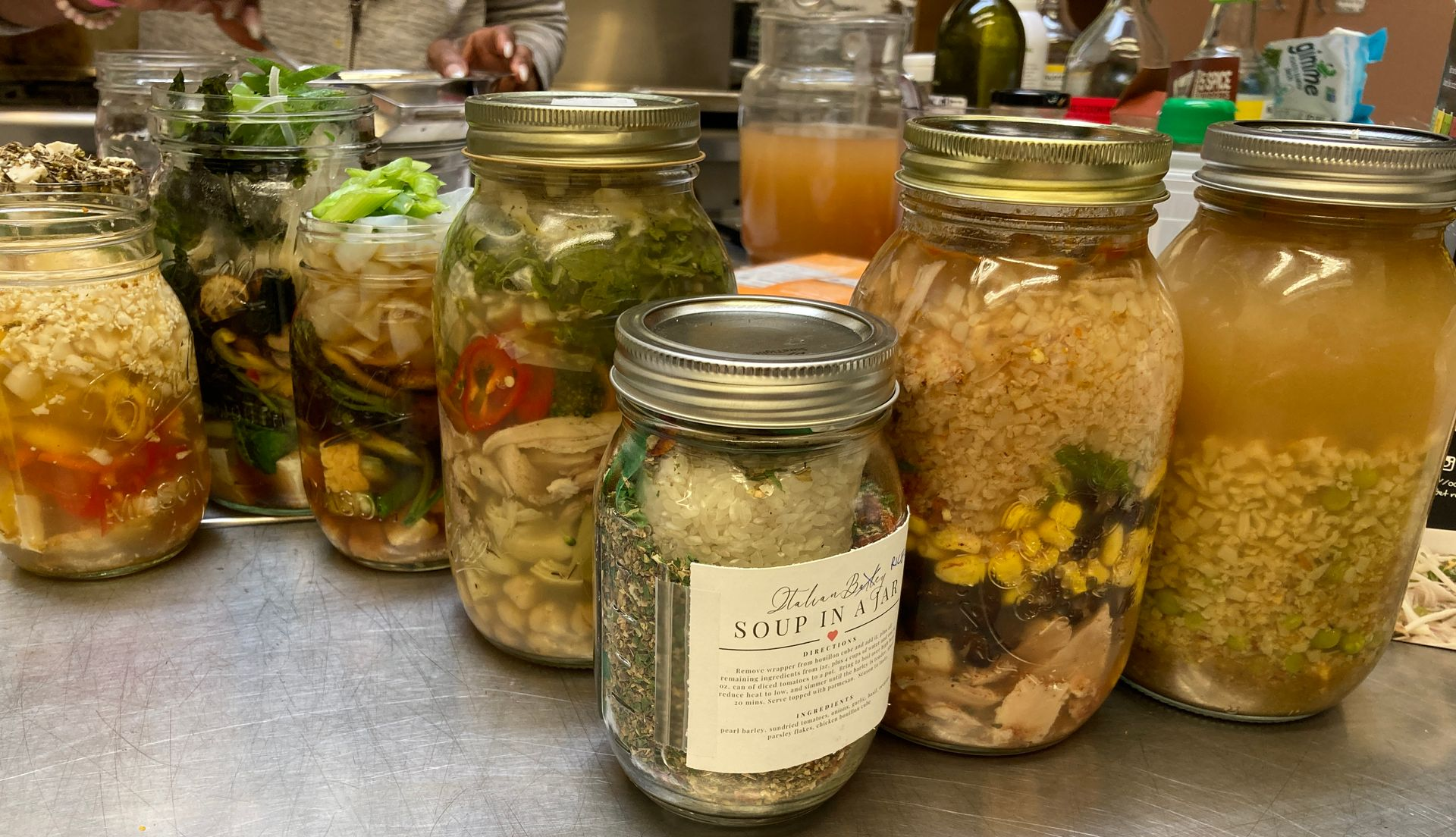
Soups are often chock full of nutrient-dense vegetables and proteins that are slow cooked so that these ingredients retain their nutritious value, delivering a meal in a bowl that is easy to digest, appealing in texture and yet packs great flavors.
It Helps Keep You Warm
When the temperatures outside change, nothing will warm you up like a bowl of soup. Unlike hot caffeinated beverages that leave you dehydrated, soup nourishes you from within and helps increase core body temperature. A bowl of your favorite soup will warm you from inside out on a cold, chilly night, keeping you toasty warm.
It Can Help Lose Weight
Research has found that people who regularly drink soup have lower dietary energy density and better diet quality. The high water and fiber content from vegetables added to soup keep you satiated in a healthy and hydrating way. Have a bowl of soup in the evening, and you will be unlikely to over-eat too many calories.
It Keeps You Satiated
Do not underestimate a good old bowl of soup. It makes for a hearty meal by itself to provide high satiety with fewer calories than most other regular meals. Soup will keep you full for longer, keep your tummy happy and keep your blood sugar levels stable.
It is Good for Digestion
Unless you go for a soup laden with heavy cream, most recipes include fibrous vegetables, beans, lentils, and lean protein that all ensure a healthy digestion. Eating a fiber-rich diet aids in smooth digestion and increases insulin sensitivity.
It is Power Packed with Nutrients
For those of you who find it hard to eat 7-8 servings of vegetables a day, making a pot of soup to reheat and eat throughout the week is the solution. You can add a variety of vegetables to your soup, and it is also a good way to incorporate any leftovers and create a whole new dish. Plus, it is easy to add a variety of veggies into soups in a non-intrusive way, getting the pickiest of eaters to consume them.
The Vitamins and Minerals Stay Intact
The slow cooking method used for soup ensures that it retains the vitamins and minerals of cooked vegetables since you also consume the broth. Whether you are making a soup with lentils, beans or protein coupled with vegetables, you get a full array of nutrients in that delicious broth. Also, some nutrients like beta carotene from carrots and lycopene from tomatoes are better absorbed by the body when food is cooked rather than when eaten raw.
It Is Naturally Healing
There is a reason the doctor tells you to have a warm bowl of soup when you are fighting the flu. Studies have found that hot soup is superior to other hot or cold liquids in the management of fluids in upper respiratory tract infections. The nutrition-filled broth boosts immunity with essential vitamins and minerals and rehydrates your body. Also, it is easy to digest which makes it perfect for when you have a sore throat or poor appetite. Plus, if you have a nasty cold, the hot vapors warm you up and helps in clearing nasal passages.
Besides these benefits of soups, soups are so versatile. You can play around with ratios and measurements to create a warming, delicious bowl of goodness with any ingredients at hand, and use a variety of herbs and spices to try new flavors. If you keep a close eye on added salt, a bowl of soup will ALWAYS be a healthy option. Making soup is also inexpensive since you can use whatever you have lying around in the house.
What is better — soups are so easy to freeze and reheat. Make a large pot over the weekend, store in airtight containers and freeze. You can reheat each portion of soup every weeknight or lunch next day and it will only taste better each time!
For clarification, we never want to imply that an alternative treatment can take the place of conventional medicine.